Find Martial Arts Classes Near Me: Condition 1 Combat Center Guide
If you live near Spring, Texas and keep googling martial arts classes near me, you already know the problem. The options look similar on the surface, but the details vary a lot, and those details matter. Class structure, coaching style, safety protocols, kids programming, early morning or weekend availability, how beginners are brought into the fold, whether pricing is transparent. A school that nails the essentials makes training something you can stick with for years, not weeks.
This guide distills what to look for when choosing a local academy and how Condition 1 Combat Center fits into that decision. I have worked with families, first time students, and competitive adults in small town dojos and big city programs. The best fit rarely comes down to one style. It comes down to consistency, coaching, and a schedule that matches real life.
What to look for when you search “near me”
Location and commute time are not trivial. If a school is more than 20 minutes away, attendance drops by a third by month three. In the Spring, TX area, traffic along I‑45, FM 1960, and the Grand Parkway can double a commute at the wrong hour, so study the timetable. A five minute detour that places the academy between your work and home often makes the difference between showing up and skipping.
The second filter is coaching. Credentials look impressive on a website, but the real test is what they do with a room full of normal people at 6 pm on a Tuesday. Watch a class. Are instructions specific, short, and actionable, or vague and motivational? Do coaches correct movement patterns gently and immediately, or wait until the end? A school that keeps intensity appropriately scaled for the mix of students generally keeps injuries low and retention high. For kids, watch how they earn attention. Counting louder is not the same as teaching. Martial arts for children should look like a game wrapped around a skill, not the other way around.
Finally, look at curriculum structure. Good programs cycle through fundamentals in 8 to 12 week blocks so new students are never more than a few classes away from seeing a topic loop back around. If you are comparing local martial arts classes, ask how they progress a beginner from day one to light contact or controlled sparring. If the answer is a shrug, keep searching.
Where Condition 1 Combat Center fits in Spring, TX
Condition 1 Combat Center positions itself as a practical, community‑driven academy serving the Spring area. The mention of Condition 1 Fitness classes in Spring TX often leads locals to condition1combat.com, where you can check current schedules, coaches, and enrollment options. The gym draws a mix: families looking for structure and discipline, adults who want striking and grappling without the meat‑market vibe, and professionals who need reliable class times that do not shift every few weeks.
An advantage of a consolidated training center is predictability. Families with kids in school programs want classes to start and end when listed. Adults want a clean room, pads that do not smell like a forgotten locker, and a front desk that knows your name by week two. The better Spring academies, Condition 1 included, build trust by running on time, publishing clear tuition options, and calibrating intensity to the student, not the ego of the room.
If you are cross‑shopping, bookmark condition1combat.com for updates and connect via phone or a walk‑in visit. Schedules change seasonally, especially around back‑to‑school and holidays, and the site is the authority for the latest information.
Programs you will typically find at Condition 1
Most strong community schools in Spring balance striking, grappling, and strength conditioning. Exact offerings can shift, so confirm on condition1combat.com, but you can expect a mix of:
- Kids martial arts classes that blend fundamental striking, stance work, tumbling or basic grappling, and character themes like respect, responsibility, and focus.
- Adult martial arts classes for striking and grappling, often separated by fundamentals and intermediate sessions so new students learn safely.
- Beginners martial arts classes designed as on‑ramps, with smaller group size, more drilling and less open sparring.
- Family martial arts classes where parents and kids train together in a shared block, helpful for evenings when babysitting is not realistic.
- Private martial arts classes for targeted work, like refining a jab‑cross‑hook sequence, takedown entries, or preparing for a test.
Those pillars cover different goals. A parent might prioritize discipline and movement literacy for a child while an adult wants stress relief and cardiovascular improvement. A weekend martial arts class can be the anchor for someone with a high‑travel job. Solid schools support a matrix of goals without diluting the core skills.
What a good first month looks like
A smooth, beginner‑friendly first month follows a predictable arc. Day one should be all basics. Expect stance, range, how to make a proper fist, breathing on strikes, or, in grappling, frames, base, hip movement, and how to tap. No one should be pressured to spar. Coaches pair you with an experienced partner who can demonstrate pace and control. You leave tired, not wrecked, and you can recall at least one detail you can practice at home. That memory hook matters. It keeps you engaged.
By week two, you see combinations and positional sequences. For striking, that might be jab‑cross into a low kick with proper shin angle and foot pivot. For grappling, closed guard posture, breaking posture, and a basic hip bump sweep. You are introduced to contact in a controlled format, like technical sparring for striking or positional sparring for jiu‑jitsu, with clear rules and a light, conversational pace. The coach watches hands‑on and adjusts partners as needed.
Week three introduces movement under a little fatigue. Intervals, partner drills that switch roles, and short rounds under time. The point is to carry technique through heart‑rate spikes. By week four, you have seen the curriculum loop and can string fundamentals together. That is usually when people realize they are improving faster than they expected, which helps the habit stick.
Condition 1 tends to run fundamentals on repeatable cycles. New people can jump in at any time, and a coach cues the small cues that keep you safe. That is the backbone of an affordable martial arts classes model that respects both beginners and veterans.
Kids classes that actually teach
Parents do not sign up for chaos. They want skills, confidence, and better self‑control at home and school. Good kids martial arts classes do not hide behind a loud room and stickers. They layer instruction in short, clear blocks and measure behavior consistently. In practice, that might look like a five minute warm‑up with games that rehearse balance and reaction, a 10 minute technique module, five minutes of pad work or controlled grappling entries, then a focused life skill lesson.
The safety baseline is non‑negotiable. Pads sized for kids, controlled contact, and pairing by size and maturity are standard. No child should be pressured to spar before they demonstrate control in drilling. Children progress best when the class size is appropriate for the number of coaches. If the room holds 20 kids, there should be at least two instructors addressing different ability levels.
After school martial arts classes can be a lifesaver for working families, especially if they line up with school dismissal times in Klein ISD or nearby districts. Always confirm pick‑up, supervision, and homework policies, and ask whether the program focuses on playtime or structured training. If Condition 1 offers after school options in a given season, they will outline logistics and expectations on condition1combat.com and at the front desk.
Adults, beginners, and the path to sparring
Adults bring different baggage than kids. Old ankle sprains, tight hips from desk work, fear of looking silly. A good beginners martial arts classes format respects that. Day one should avoid heavy contact and complex combinations. Think patty‑cake timing drills for striking, solo movement flows for grappling, and partner work where a coach literally positions your feet and hands. A partner with 12 to 24 months experience is ideal for a brand new student. They know enough to help, and they remember what it felt like to start.
When someone says they want adult martial arts classes but not a fight gym, this is what they mean. They want to learn to defend themselves, get fit, and build confidence without a coach who spikes the room to prove a point. Hard rounds have a place, but only with consent and preparation. Most people do not need hard contact to get what they came for, and many will never want it. A thoughtful academy shows paths for both.
If you do want to spar, expect prerequisites. Basics test, consistent attendance, a mouthguard for striking, maybe shin guards and headgear depending on format. For grappling, a rule review and supervised positional rounds before open rolling. That structure protects everyone and keeps the room healthy.
Weekend and private training options
Weekday evenings fill fast. The difference maker for many adults is access to weekend martial arts classes. Saturday morning fundamentals and open mat slots keep momentum alive, and early afternoon blocks often fit family schedules. If your job or family life makes weeknights tough, verify weekend availability up front. Academies that publish weekend schedules a month ahead repeatedly attract consistent trainees.
Private martial arts classes can feel like a luxury, but they save months of guesswork in some cases. One 45 to 60 minute session focused on footwork, head movement, or guard retention can fix habits that group classes cannot fully address. The best time to book a private is during your first month or when you hit a plateau. An instructor can tune your stance width, punch trajectory, or hip placement on sweeps and give you a few drills to repeat over the next two weeks. It is focused, measurable, and worth the premium if you can budget for it.
Pricing, contracts, and what “affordable” actually means
Affordable martial arts classes does not mean the cheapest rate on a flyer. It means predictable costs that fit your budget, with value that shows up in coaching attention, clean facilities, and consistent class quality. In the Spring area, monthly rates for group classes commonly land in a mid range, with discounts for families and longer commitments. Private sessions usually price per hour, with package savings. Gear adds a starter cost. Plan for gloves, wraps, a mouthguard, shin guards if you strike, or a gi and belt if you grapple. Expect a range for starter gear that depends on quality.
Look for transparency. Condition 1 Combat Center and peers that serve families in Spring typically post or explain pricing clearly at sign‑up. If you see add‑on fees popping up without warning, ask questions. Contracts can make rates better, but they should be clear about early cancellation for moves, injuries, or job changes. Most community gyms do right by honest requests if you communicate early.
Safety and culture as the true differentiator
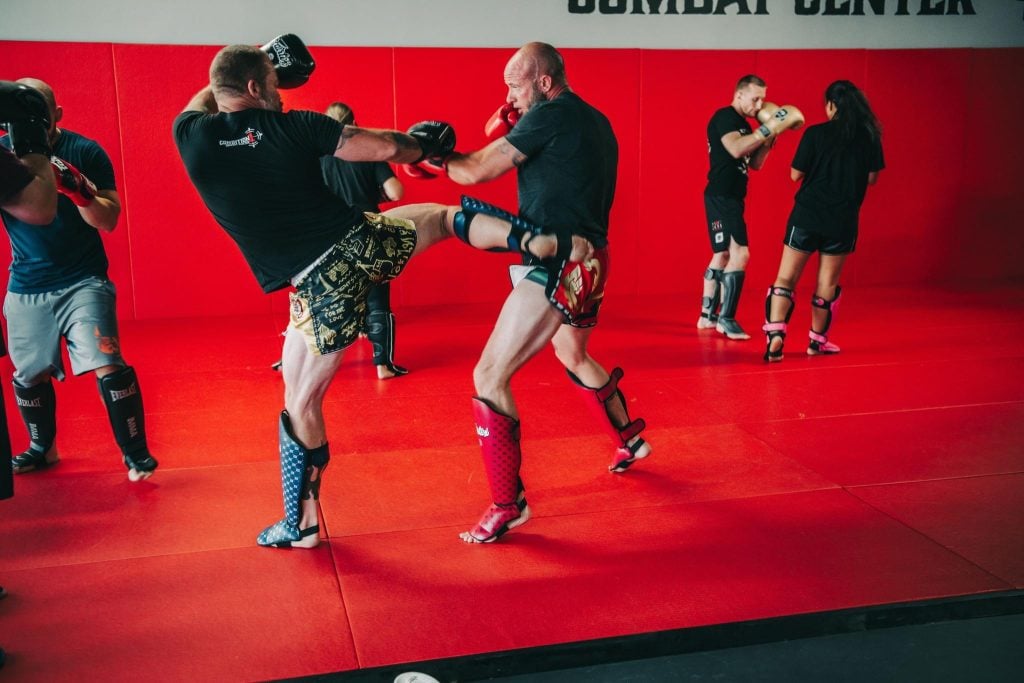
The right school feels welcoming without being sloppy. Mats are clean. People line up quickly. Coaches demo, students drill, corrections happen quietly and specifically. No one gets shamed for tapping or asking a question. Those details tell you how the room treats pressure. When culture is right, progress accelerates.
Injury rates drop when the gym calibrates intensity to skill and when advanced students protect beginners. Takedowns are introduced from the knees or with crash pads and spotters before they show up in live rounds. Striking classes use contact levels appropriate to gear and experience. A coach who pulls someone aside to slow them down is doing their job.
You will see seasoned students set the tone. They move partners away from walls, they wipe sweat off the mat between rounds, they offer a small pointer after drilling, not a lecture. Watch for that peer‑to‑peer care. It is a good predictor of whether you will still be training six months from now.
How to make the most of a trial week
Most reputable schools offer a trial class or a short intro package. Approach it like a pilot project, not a one‑off workout.
- Show up 15 minutes early to handle waivers, gear, and a quick tour so you are not rushing.
- Tell the coach about old injuries and your goals in one sentence so they can pair you well.
- Watch five minutes of the class before yours to see how the room runs when you are not on the mat.
- Ask where to stand and how they line up so you match the room’s flow from the first drill.
- Plan your second class before you leave. Momentum matters more than muscle soreness.
Two or three sessions across a single week are better than one marathon day. Skills settle faster and you get a real feel for coaching variety.
How families manage busy calendars
Family martial arts classes and coordinated schedules often keep parents consistent. I have seen parents do a 5 pm kids class, then tag team a 6 pm adult fundamentals while the other parent handles homework at the lobby table. Some schools provide a monitored area or a clear line of sight to the mat so siblings can watch quietly. Make sure your academy’s policies match your family’s energy level. Everyone is happier when expectations are clear.
If your child participates in seasonal sports, talk with the coach about cross‑training plans. Two martial arts sessions a week while soccer is in season keeps progress steady without overload. During off season months, add a third session. Kids maintain skills and stay enthusiastic when the pace matches school and sport demands.
Conditioning, weight loss, and realistic timelines
People often join under two banners: learn to defend yourself and get in shape. Martial arts handles both, but not with magic. The average new adult who attends 3 sessions a week typically notices stamina and posture improvements in 2 to 4 weeks, looser hips, steadier footwork, better breath control. Weight change is slower and depends on nutrition. You can expect a range of results, but training that you enjoy usually makes smart eating easier. The big win for many is stress relief. Hitting pads or focusing on a technical escape leaves less room in your head for work chatter. That mental break keeps people coming back when motivation dips.
Strength work complements technique. Some academies, including those that list as Condition 1 Fitness classes in Spring TX, blend short conditioning blocks into class or offer add‑on fitness sessions. Ask how those integrate with skill training. You do not need to crush yourself every day. Two skill days plus one focused conditioning day fits most schedules well without burnout.
Competitive aspirations or practical skills
Not everyone wants to compete. A healthy school supports both tracks. If you are curious about competition, tell a coach. They will outline a plan: baseline attendance, technical goals, cardio benchmarks, and a timeline to test yourself, whether in a local grappling tournament or controlled smokers for striking. If you have zero interest in competition, that is equally valid. You will still learn to manage distance, break grips, maintain base, protect your head, and exit safely. Practical defense lives in fundamentals, not flashy moves.
What to ask before you commit
Schools that take pride in their product welcome clear questions. You are not a problem for asking.
- How do you integrate absolute beginners into mixed classes without slowing veterans?
- What is your policy on sparring for new students and for kids?
- How do you sanitize mats and gear, and how often?
- If my schedule changes, what options exist to pause or switch programs?
- Which coaches run fundamentals classes, and how long have they been teaching?
You will learn as much from how they answer as what they answer. Specifics signal experience. Vagueness or deflection is a flag.
Logistics that make training stick
Parking, locker access, and shower availability sound minor until you have to squeeze training between work and family. If you commute along I‑45 or from The Woodlands, a lot that empties and fills smoothly at peak times matters. If you train at lunch, ask about quick rinse options and towel policies. For evening training, ask how busy 6 pm versus 7 pm gets so you can choose the vibe you prefer. Some people thrive in a packed room. Others focus better with a bit more space.
Gear management matters too. Keep a small gym bag with essentials that lives in your car. If the academy stocks a pro shop, you can replace a missing mouthguard or wraps without skipping class. For grapplers, a spare rash guard or gi top in the trunk has saved more sessions than most admit.
Why Condition 1 often ends up on the short list
Locals who search for Condition 1 Fitness classes in Spring TX or bookmark condition1combat.com tend to do so for practical reasons. The gym prioritizes structured fundamentals, a family friendly environment, and accessible scheduling that includes options for beginners and regulars. It checks the boxes that matter most in this part of town: clear communication, clean training spaces, and a training culture that elevates safety without watering down rigor.
If you are weighing options, visit in person. Watch a kids class and an adult fundamentals back to back. Introduce yourself to the coach, say what you are looking for, and ask how they would start you or your child. The right place will not just tell you they care. They will show you in how they teach, how they correct, and how they follow up.
A quick path to getting started
Here is a simple, low friction plan that works for most people in Spring.

- Check the current schedule at condition1combat.com and pick two class times that fit your next seven days.
- Call or message to confirm any trial options and ask what to bring.
- Commit to two classes in the first week, one class in the second if travel intrudes, then return to two per week in week three.
- Set a 60 day checkpoint on your calendar. Progress takes a little runway.
- Share your goal with the coach in a sentence so they can nudge you in the right direction.
That cadence gives you enough exposure to decide if the school, schedule, and coaching style line up with your life.
Final thought for locals weighing the decision
The perfect program on paper will not beat the good program that you attend. If Condition 1 Combat Center martial arts school spring tx sits on your daily route and the vibe feels right when you visit, that convenience and comfort will do more for your progress than chasing a theoretical best. For families juggling school calendars, after school martial arts classes simplify logistics. For adults with rotating shifts, weekend martial arts classes keep momentum alive. For anyone feeling behind the curve, beginners martial arts classes lower the barrier and keep the ego in check.
When you are ready, walk in, shake a hand, and try a class. Training has a way of clarifying everything else.
Corrections
Spot something wrong? Send it to the desk and it gets fixed in the open.